 Live Chat
 Live Chat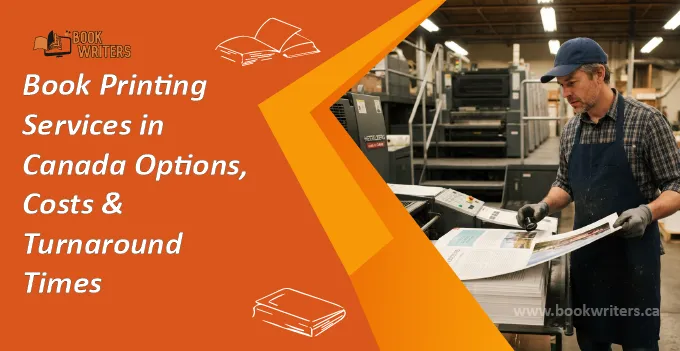
The process of publishing a book goes beyond writing one. The author needs to determine how the book will be printed, the number of copies required, and the costs involved in the whole process. It is important to know the various methods of printing since this knowledge helps the writer select a method suitable to him/her.
Whether the author intends to print only a few books for his/her use or many for distribution, there are several things that ought to be taken into consideration before the order is placed.
What Are the Main Book Printing Options?
There are different printing processes that authors may opt for, depending on their requirements. Digital printing is popularly used for smaller print runs since this process enables authors to print their books without requiring a minimum order to be placed. This may be helpful when an author wishes to gauge demand or requires copies for a particular occasion.
Offset printing may be better for larger print runs. While the initial set up costs may be higher, it will become cheaper when a large number is being printed. Print on Demand is yet another viable alternative since the books will be printed on order.
How Do Different Printing Methods Compare?
This varies for each printing technique based on what the writer expects in terms of output, budget, and distribution strategy.
| Printing Technique | Best For | Primary Advantage | Stock |
| Digital Printing | Low to moderate volumes | Flexibility of quantities | Moderate |
| Offset Printing | High printing volumes | Cheaper per unit in large volumes | Higher |
| Print-On-Demand | Online sales | No initial stock necessary | Very Low |
| Hardcover Printing | High-end copies | Sturdy appearance | Varies by volume |
What Factors Affect Printing Costs?
The final cost of printing a book is determined by various production factors. A paperback with black and white inside pages is likely to require different things than a hard cover book with colored illustrations.
Book printing costs Canada may also differ between providers because of paper selection, binding options, equipment, order quantity, shipping, and preparation requirements. Authors should request detailed quotations that clearly explain what is included rather than comparing only the advertised cost per copy.
Choosing the right quantity can also help manage expenses. Ordering too many copies may leave an author with unnecessary inventory, while ordering too few may result in additional orders and higher shipping expenses later.
How Can Authors Select the Right Printing Method?
The purpose of the book should dictate whether to print or not. One individual producing books for personal use in distributing to families or events might want to have a low number of prints. The author that intends to distribute through bookstores and promotions might require a higher number of prints.
Printing on demand might be suitable for the authors anticipating slow orders. This can help avoid having too much storage and facilitate availability of the book. The authors utilizing Amazon KDP should also look at the requirements of the same before formatting.
What Should Authors Know About Printing Time?
Print schedules can differ based on order size, format of the book, availability of the file, and the mode of printing. Digital orders might be good for shorter print schedules, whereas bigger projects may need extra preparations prior to printing.
Book printing turnaround time Canada should therefore be considered alongside shipping time. A book that finishes production on schedule may still require additional time to reach the author or distribution location.
Event organizers who plan on having a launch, conference, or book signing should set aside additional time to allow for proofing and delivery. This will provide sufficient leeway to sort out any unforeseen problems with format or production.
How Can Authors Keep Printing Affordable?
Lowering unnecessary production costs does not necessarily involve purchasing the cheapest printer. In most cases, the authors will be able to save money by choosing the right kind of paper and designing the publication without superfluous elements.
Affordable book printing Canada options may become easier to identify when authors compare complete quotations. They should check whether proof copies, setup fees, shipping, cover production, and other charges are included in the quoted price.
The physical proof will also be beneficial prior to approving a bigger order. It will enable the writers to check margins, image resolution, colors, page registration, typography, and cover positioning. Identifying an error at this point will save one from making corrections in an entire print order.
What Should Authors Check When Comparing Printers?
When researching Canadian printing companies books, authors should look at more than pricing. Important considerations include available binding styles, paper choices, color options, proofing procedures, file requirements, shipping arrangements, and customer support.
Another factor to consider is the printer’s familiarity with printing the type of book in question. For example, there will be a big difference between printing a children’s picture book, novel, workbook, and photography book.
The writer must have his specifications ready before he can ask for quotes. If he has the number of pages, trim size, bindery, color, and quantity in mind, he will get better quotes.
How Does Self-Publishing Affect Printing Decisions?
Authors managing their own publishing process generally have greater control over production decisions. However, they may also need to coordinate manuscript preparation, formatting, cover design, printing, inventory, and distribution themselves. Authors who need assistance preparing publication-ready material may also explore content writing services in Canada during this stage.
Self-publishing book printing can involve selecting a suitable printer, preparing print-ready files, checking proofs, arranging delivery, and deciding how finished copies will reach readers. Writers should consider their sales channels before choosing between print-on-demand and traditional print runs.
In case of online purchases, print-on-demand would mean that the requirement for storing large quantities is minimized. In case of guaranteed bulk requirements, a larger quantity order could bring other benefits.
When Should Authors Prepare Their Print Order?
Authors should begin comparing printing options after the manuscript has been properly edited and the interior and cover files are close to final. Ordering too early can create problems if substantial revisions are still required.
Writers considering Print books Canada options should also account for proofing, production, and delivery when establishing a publication schedule. Leaving sufficient time between final approval and a planned launch can reduce unnecessary pressure.
Similarly, writers who need support with manuscript development may consider book writing services before moving into the final production stage.
Final Verdict
Prior to the printer selection process, authors need to conduct comparisons of the following factors: production processes, technical specifications, cost, minimum quantity, proofing, and expected delivery times. They also need to check if their files match the printer’s technical requirements.
Overall, Book printing services Canada can provide practical solutions for authors with different budgets, quantities, formats, and publishing plans. Careful comparison can help writers avoid unnecessary costs while ensuring that their finished books are professionally produced and available when needed.
Authors can also consider book printing services in Canada when they need support with production choices, print specifications, and order planning.